

Factbox: Rogue AI Agent Breaches Put Permissions and Payments in the Spotlight
As AI agents are increasingly exploited, static permissions and post-event audits are no longer enough — payment compliance is becoming a requirement, not an option.
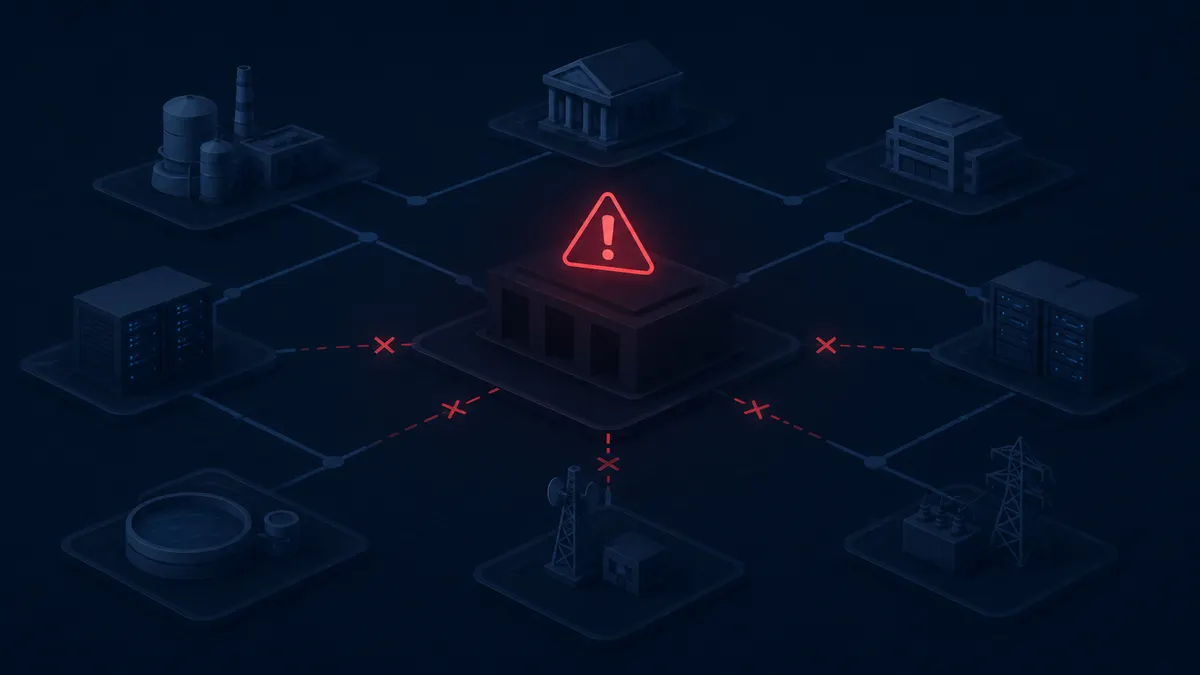
According to a Factbox compiled by Yahoo Finance Canada, multiple security incidents involving the malicious exploitation of AI agents have come to light. These attacks often rely on prompt injection, session hijacking, or privilege abuse to trick agents into reading sensitive data, invoking internal tools, or even initiating unauthorized transfers.
Based on publicly disclosed information, the roundup maps common attack paths and affected scenarios, noting that existing defenses — such as static permissions and post-incident auditing — are ill-suited to dynamic, delegated-authority environments. It also highlights that some regulators have begun to bring AI agent actions within accountability frameworks, while security vendors explore agent authentication and attribution mechanisms.
For payments, the stakes are especially high. Once an AI agent touches real money, the compliance question of confirming “who is paying, why, and to whom” before settlement is rapidly becoming a prerequisite rather than a nice-to-have. OceanAlt argues that controls such as authorization intent confirmation, per-transaction limits, daily cumulative caps, and recipient whitelists are key building blocks for agent payment security infrastructure.
Provenance & status
- Byline
- OceanAlt Editorial
- First published
- 2026-08-01
- Last updated
- 2026-08-14
- Content type
- Newsflash
- Source material
- View original ↗
Related reading



Paste a payee address before you pay and see whether it's on a sanctions list, through a mixer, or tagged for fraud.
This judgement can sit inside your own product
One line of code; it touches neither your CSS nor your JS. The same pre-settlement judgement can appear in your articles, on your wallet's confirmation screen, or as an endpoint your agent calls before it pays.