

SoFi Researchers Disclose 20 Attack Surfaces in x402 Agent Payments, 6 of Which Can Cause Agents to Overpay
The flaws center on how agents parse and authorize payment requests, allowing malformed conditions or tampered amount fields to slip through higher-value transactions undetected.
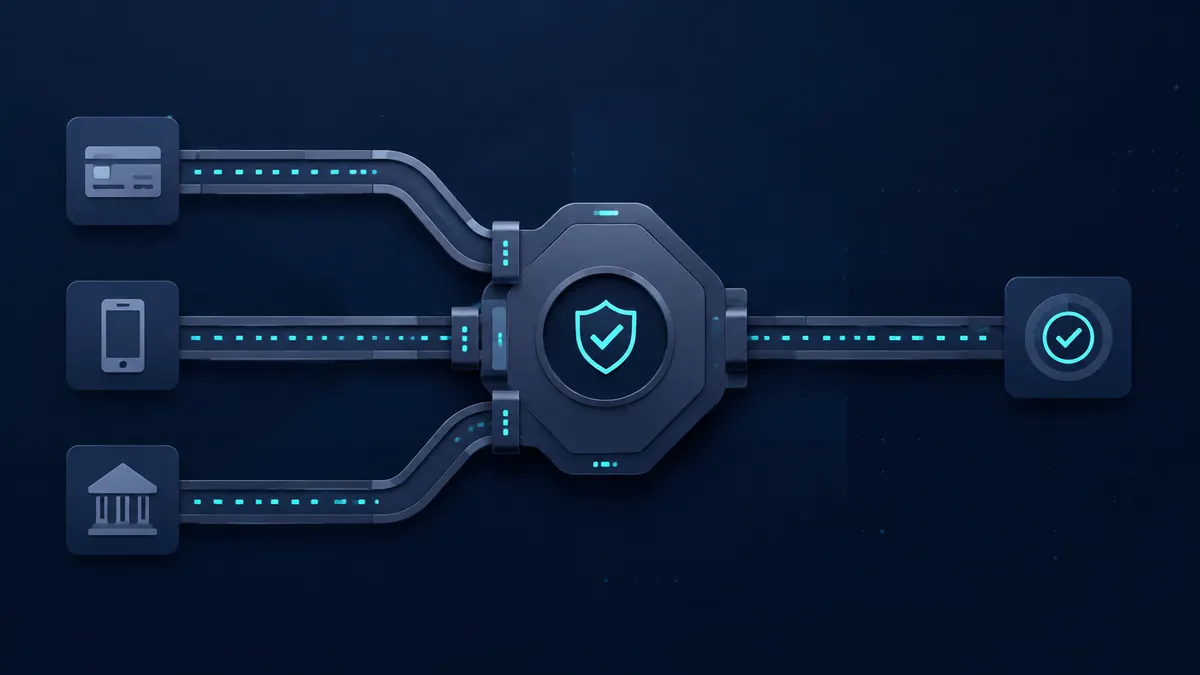
SoFi researcher Ishween Kaur has published security testing results for the x402 machine payments protocol, identifying 20 attack paths in total, 6 of which can cause an AI agent to pay more than intended in a single transaction. x402 is a machine payments protocol built on the HTTP 402 status code and has recently been adopted by several payments and infrastructure companies for agent-initiated stablecoin settlement.
According to the research, the problems concentrate in how agents parse and authorize payment requests: attackers can construct malformed payment conditions or tamper with amount fields, causing agents to approve higher amounts without detection. Kaur attributes these risks to insufficient protocol-level constraints on authorization intent (mandate) and per-transaction amount validation.
The disclosure comes as the x402 ecosystem expands rapidly, with institutions such as Stripe beginning to open stablecoin settlement to automated scenarios. For agent payments, trustworthy validation of amount fields and pre-settlement interception are becoming essential gaps that must be closed before deployment.
Source: https://news.google.com/rss/articles/CBMiW0FVX3lxTE9hQUdVM3FXNU42bHE0eHdKY2QxZWN0bTFnWUVXYmlFUXNaaDBNcFdHX1FHRDJhYzgyUjF2dEx3ZS1DNWRzRHkyTUxjRTBfRndnOEtnbHRqa29OM1U?oc=5
Provenance & status
- Byline
- OceanAlt Editorial
- First published
- 2026-10-30
- Last updated
- 2026-10-30
- Content type
- Newsflash
- Source material
- View original ↗
Related reading


Paste a payee address before you pay and see whether it's on a sanctions list, through a mixer, or tagged for fraud.
This judgement can sit inside your own product
One line of code; it touches neither your CSS nor your JS. The same pre-settlement judgement can appear in your articles, on your wallet's confirmation screen, or as an endpoint your agent calls before it pays.