

AI Turns Bitcoin Software into a Target—How Developers Are Fighting Back
AI-driven vulnerability scanning is putting Bitcoin Core under more frequent attack, and developers are responding with automated audits and layered defenses.
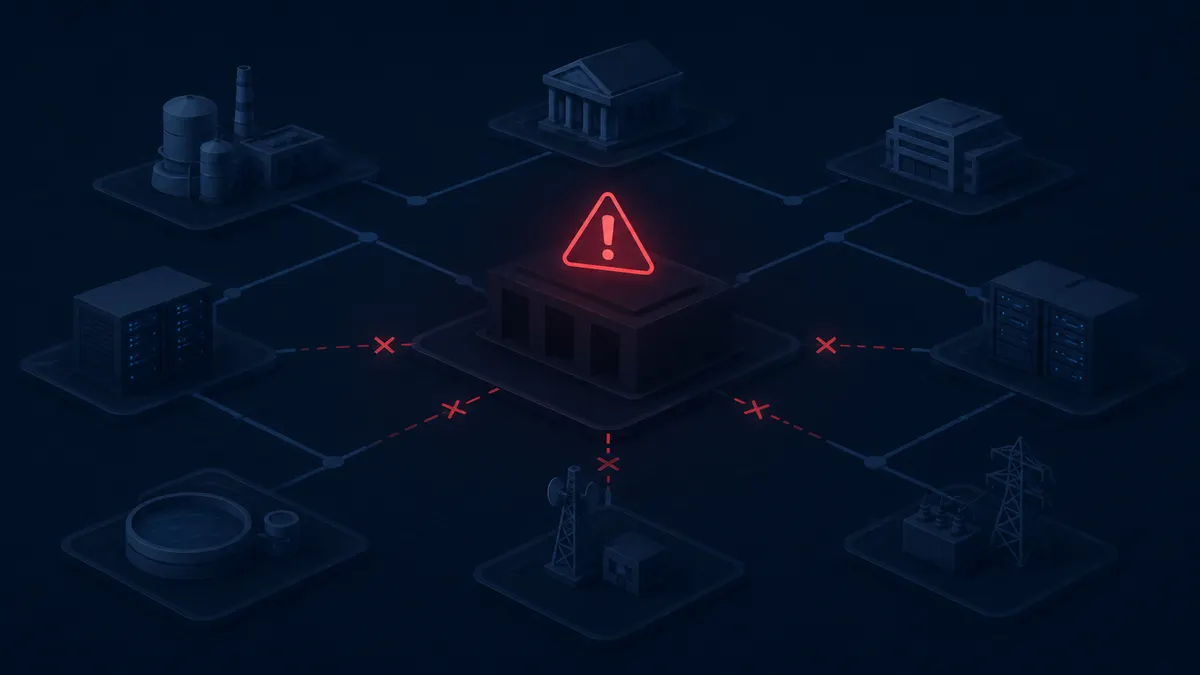
Bitcoin Core is facing a new wave of attack pressure from AI-powered vulnerability scanning. According to Decrypt, a group of developers is actively fighting back, using AI tools to strengthen code audits and patch workflows. This shift marks a new phase in Bitcoin's security battle—moving from human-led efforts to human-machine collaboration.
The report notes that AI models can scan massive codebases at speeds far beyond human capability, identifying potential weaknesses. This makes high-value, open-source projects with large codebases like Bitcoin prime targets for automated attacks. Attackers use AI-generated malicious code or vulnerability probes to find exploitable gaps before developers can discover and fix them.
Facing this threat, the developer community isn't standing idle. The group is bringing AI to the defensive side: on one front, using machine learning models to assist code review, automatically flagging suspicious commits or anomalous patterns; on another, building stricter test frameworks that simulate AI-generated attack vectors to validate existing defenses. This "AI vs. AI" strategy is becoming the new norm in open-source security.
From OceanAlt's perspective on agent payment compliance and security, this event carries broader implications. As a value settlement layer, Bitcoin's software security directly underpins trust in on-chain assets. If core clients harbor vulnerabilities exploitable by AI, it could not only lead to user fund losses but also shake market confidence in crypto assets as settlement tools. This aligns with the "pre-settlement firewall" logic emphasized in agent payment scenarios—every step of fund movement requires upfront security validation and risk interception.
The developer community's response offers a template for the entire industry: in an era of increasingly automated attacks, passive defense is no longer sufficient. Security capabilities must be pushed forward and automated. This resonates with the KYA (Know-Your-Agent) philosophy—before any transaction, not just identity but also behavioral intent and code integrity must be verified. Bitcoin's defensive practices here may inform the security architecture of future agent payment networks.
Currently, maintainers of the Bitcoin Core codebase are ramping up efforts to integrate AI audit tools into continuous integration (CI) pipelines, ensuring every code change undergoes automated scanning before merge. Meanwhile, the community is exploring decentralized bug bounty programs, leveraging collective intelligence and AI assistance to weave a tighter safety net.
This AI-triggered offensive-defensive battle is far from over, but it has already reshaped Bitcoin's security mindset: shifting from "fixing vulnerabilities" to "preventing vulnerabilities," and from manual review to human-machine collaboration. For all systems relying on blockchain for value transfer, this may be a new reality to adapt to.
Source: Decrypt · https://decrypt.co/376296/bitcoin-target-ai-red-team-group-fighting-back
Provenance & status
- Byline
- OceanAlt Editorial
- First published
- 2026-08-23
- Last updated
- 2026-09-01
- Content type
- Original compilation
- Source material
- View original ↗
Related reading
South Korea's President Confirms AI Role in Attacks on Seven Financial Firms: A Look at the Attack Chain

NVIDIA Open-Sources Agent Security Platform: Another Piece in the Agent Security Infrastructure, from Testing to Deployment
Robinhood Lets AI Agents Trade Without Per-Order Approval — and Clients Bear the Losses
Paste a payee address before you pay and see whether it's on a sanctions list, through a mixer, or tagged for fraud.
This judgement can sit inside your own product
One line of code; it touches neither your CSS nor your JS. The same pre-settlement judgement can appear in your articles, on your wallet's confirmation screen, or as an endpoint your agent calls before it pays.