

Binance's $6.3 Billion Hack: EIP-7702 Was Not the Culprit, but It May Have Amplified the Losses
Binance has confirmed a theft of roughly $6.3 billion, the largest hack in crypto history. Investigators say no private key leak has been found, while security researchers debate whether Ethereum's EIP-7702 upgrade helped the attackers bundle transactions and evade some exchange checks.
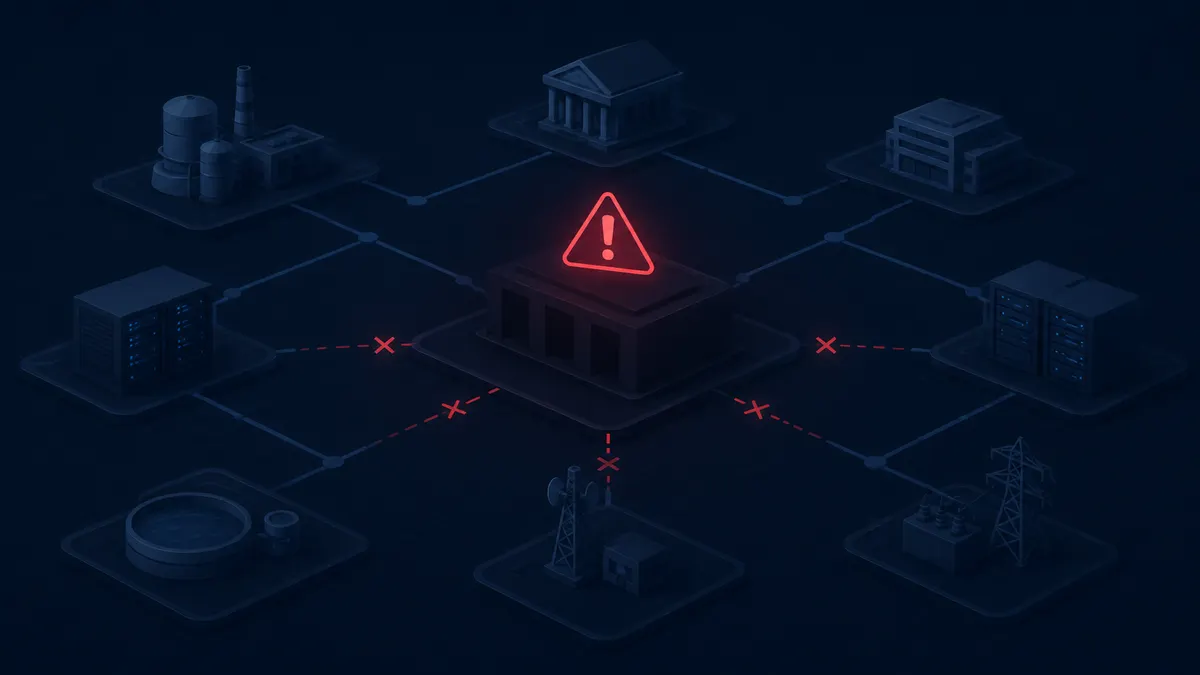
Binance Confirms Record $6.3 Billion Hack
Binance confirmed on October 30, 2026, that approximately $6.3 billion had been stolen, making it the largest hack in crypto industry history. The exchange has pledged to absorb the full loss.
Binance CEO Richard Teng said the investigation found no evidence that wallet private keys were compromised. After initially suspecting that an engineer's laptop had been breached, Binance identified additional points of intrusion.
How the Attackers Got In
Ido Ben-Natan, co-founder and CEO of blockchain security firm Blockaid, told Cointelegraph that the attackers could have stolen the funds even without EIP-7702. However, the upgrade allowed them to complete batch operations in a single pass and may have helped them bypass some of the exchange's checks. Without the upgrade, the attackers would have needed to initiate multiple transactions.
Ben-Natan assesses that the attackers likely entered Binance's wallet-signing infrastructure by compromising a developer's computer, ultimately getting the signer holding the custodial hot wallet to sign a transaction it should never have signed.
What EIP-7702 Changes
EIP-7702 was introduced to Ethereum with the Pectra upgrade in May 2025. It allows ordinary wallets to use smart-contract features such as batch transactions and sponsored gas. Security concerns around the upgrade emerged within weeks of its rollout.
Ivo Georgiev, co-founder of wallet provider Ambire, believes EIP-7702 played a limited role in this attack, because the attackers already had the ability to authorize transactions. He cautioned, however, that exchange engineers may overlook the need to revoke malicious EIP-7702 delegations after regaining control of their systems.
Source: https://cointelegraph.com/news/binance-hack-security-ethereum-eip-7702-role?utm_source=rss_feed&utm_medium=rss&utm_campaign=rss_partner_inbound
Provenance & status
- Byline
- OceanAlt Editorial
- First published
- 2026-10-30
- Last updated
- 2026-10-30
- Content type
- Newsflash
- Source material
- View original ↗
Related reading
Beyond the Binance Security Incident: Why AI Payments Need a New Line of Defense

Harbor Enters AI Agent Insurance With $10M Seed Round, Leaving Liability Attribution and Claims Pricing as the First Unsolved Problems
South Korea's President Confirms AI Role in Attacks on Seven Financial Firms: A Look at the Attack Chain
Paste a payee address before you pay and see whether it's on a sanctions list, through a mixer, or tagged for fraud.
This judgement can sit inside your own product
One line of code; it touches neither your CSS nor your JS. The same pre-settlement judgement can appear in your articles, on your wallet's confirmation screen, or as an endpoint your agent calls before it pays.